The Worst Ways to Redeem Cathay Pacific Asia Miles—and the Mistakes to Avoid
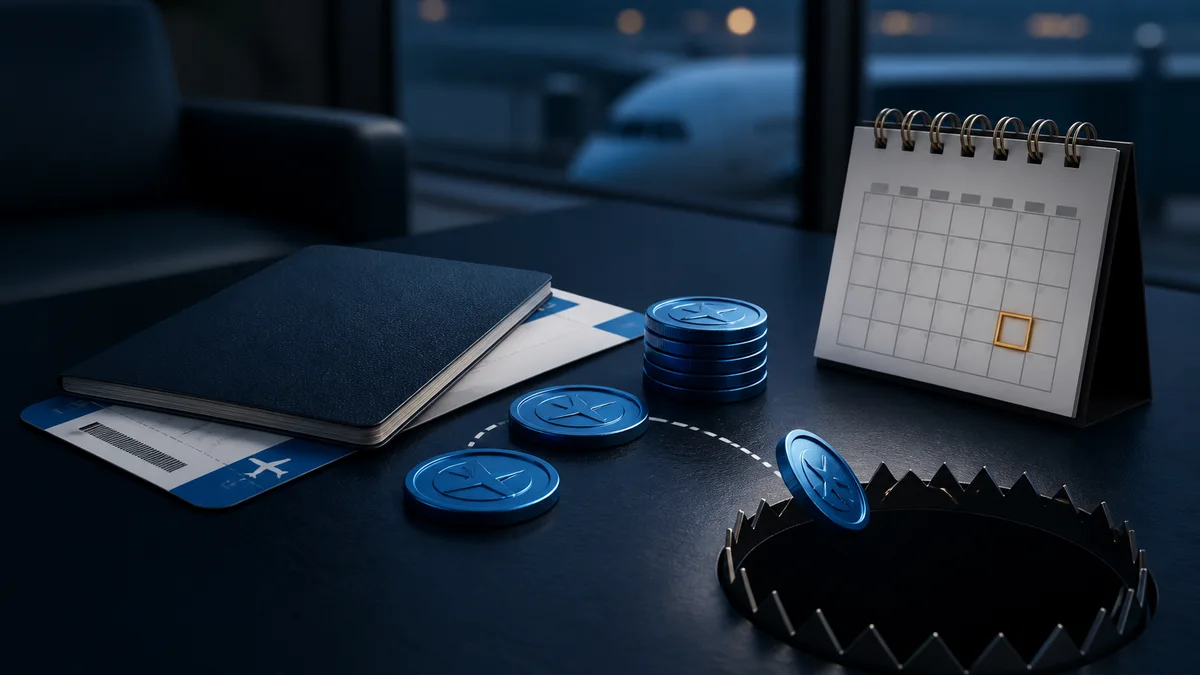
Asia Miles can buy an excellent Cathay Pacific or partner award. They can also vanish through inactivity, disappear into a weak cash offset or become trapped in an account with no usable seats.
The objective is not to squeeze a heroic valuation from every mile. It is to avoid decisions that remove flexibility without improving the trip. If you are still building your balance, start with the GenieMiles guide to earning Asia Miles in Singapore.
Keep the balance active, keep bank points flexible, compare every redemption with the cash alternative and move miles only when there is a booking you can realistically make.
Quick take: 10 Asia Miles mistakes to avoid
- Do not assume Asia Miles never expire. Eligible account activity is required at least every 18 months.
- Do not transfer bank points before finding seats.
- Do not use Miles Plus Cash without checking the implied value.
- Do not redeem lifestyle rewards before comparing retail prices.
- Do not pay to transfer or top up miles without comparing alternatives.
- Do not assume Premium Economy or Business is automatically the best award.
- Do not upgrade before pricing the eligible cash fare.
- Do not ignore mixed-cabin and multi-carrier pricing rules.
- Do not overlook surcharges, partner airlines or operating-airline rules.
- Do not hoard—or maximise cents per mile at the expense of the trip.
1. Do not confuse activity-based expiry with no expiry
Asia Miles earned from 1 January 2020 generally follow an activity-based 18-month validity system. Each eligible credit or debit extends the expiry of the activity-based balance by another 18 months. Eligible transactions include earning miles, redeeming miles, converting partner points, topping up and transferring miles.
The important date is when the miles are credited or debited, not necessarily the date when you flew, shopped or requested a transfer. A cancellation or refund is not an eligible transaction. Do not leave an extension until the final day and assume a slow partner credit will arrive in time.
Set reminders at twelve and fifteen months after the last eligible posting. A small genuine earn or redemption can protect a much larger balance. Miles credited on or before 31 December 2019 may still sit under the older time-based arrangement, so check the expiry information shown in your Cathay account rather than relying on memory.
Log in at shop.asiamiles.com, follow its tracked link to an eligible merchant and complete a purchase you already intended to make. Current Singapore listings include Lazada, Shopee, foodpanda and FairPrice Online.
Start from Milesback while signed in; a purchase made directly with the merchant does not qualify retrospectively. Read the merchant’s live conditions before paying: eligible categories, brands, customers, voucher codes and reward caps vary. Tracking is not the same as crediting, and Milesback says awards typically arrive within 120 days and can take longer. Use this method early, confirm the miles in your Cathay statement and keep evidence of the transaction.
What if your Asia Miles are close to expiring?
Other eligible routes include topping up miles while making an award, receiving eligible gift miles and ordinary paid transfers. These can involve fees or additional conditions and are rarely the best choice merely to reset the clock. A complimentary minor-to-guardian transfer is specifically listed by Cathay as not qualifying activity for expiry protection.
2. Do not transfer flexible bank points speculatively
Bank points can usually be directed to more than one airline programme. After conversion to Asia Miles, that flexibility is gone. A transfer bonus does not solve the problem if the award you wanted disappears, costs more than expected or carries unacceptable surcharges.
- Choose the route, cabin and number of travellers.
- Search Cathay Pacific and relevant partner availability.
- Check taxes, cancellation terms and backup dates.
- Confirm your bank’s minimum block, fee and processing time.
- Transfer only the amount needed and book promptly.
Award availability can change while points are moving. Have at least one acceptable backup and avoid converting a large balance merely because a promotion creates urgency.
3. Do not treat Miles Plus Cash as automatically good value
Miles Plus Cash lets members reduce the price of Cathay Pacific or HK Express tickets and selected extras. It is convenient and gives access to cash-fare inventory, but convenience is not the same as value. Cathay states that the conversion rate can vary, so test the slider rather than assuming a fixed value.
Compare that result with a standard flight award for the same trip. For flight tickets, at least 5,000 miles must be used. Taxes, fuel surcharges and various fees remain payable in cash. Even a ticket paid fully with the Miles Plus Cash option is treated as a purchased ticket and follows the applicable fare rules—not the rules of a flight award.
Miles Plus Cash can still be sensible when award seats are absent, the miles need activity, cash flow matters or the purchased fare earns useful miles and status credit. The mistake is moving the slider without measuring what each mile removes.
4. Do not redeem merchandise, hotels or experiences before comparing cash
Cathay offers products, hotels, dining and experiences. Before redeeming, compare the same or genuinely equivalent item elsewhere: Singapore retail price, sale discounts, delivery charges, warranty, cancellation policy and the rewards you would earn by paying cash.
If the award is unique—a concert presale or an experience you cannot normally buy—cents per mile may be a poor measure. For an ordinary product or hotel room, it is essential. Lifestyle redemptions can be useful for a small balance or a near-expiry emergency, but they should not become the automatic destination for miles accumulated for travel.
5. Do not transfer or buy miles before checking the cheaper route
Cathay permits members to redeem awards for people in their Redemption Group. The group can contain up to five nominees. In many cases, booking directly for a nominee is cleaner than paying to move the miles into that person’s account.
Transfers are restricted to nominated members, carry a service fee and are non-refundable and non-reversible. Transferred miles have their own validity treatment. Before moving anything, compare the transfer charge with the cost and rules of simply issuing the desired award from your account.
Buying or topping up is different—but still needs a plan
Cathay’s top-up option is designed to close a small gap while making an eligible award request. Purchased miles are not refundable. The programme also limits the unused amount left after the top-up redemption to 2,000 miles.
Calculate the full acquisition cost, including taxes and fees, then compare it with paying cash or transferring bank points. Buying a small shortfall for a valuable, available award can work. Buying miles because the balance “looks close” to an undefined holiday is speculation.
6. Do not assume a premium cabin is automatically the better redemption
The gap between Economy and the premium cabins can be much larger than beginners expect. For Cathay Pacific-operated flights ticketed under the rates effective from 1 May 2026, representative one-way pricing looks like this:
| Representative distance | Economy | Premium Economy | Business |
|---|---|---|---|
| Singapore–Hong Kong Short Type 1 | 9,000 | 18,000 2× Economy | 27,000 3× Economy |
| 5,001–7,500 miles | 27,000 | 52,000 +25,000 | 91,000 +64,000 |
| More than 7,501 miles | 38,000 | 78,000 +40,000 | 119,000 +81,000 |
On Singapore–Hong Kong, Premium Economy costs twice the Economy mileage and Business three times as much. On an ultra-long-haul award, Business can consume more than three Economy awards. For a couple or family, the cabin decision can determine whether everyone travels together—or whether the balance buys only one premium seat.
Premium Economy or Business may still be excellent when the cash premium is high, the flight is long and the better seat genuinely matters. Compare the incremental miles with the incremental cash saving, not just the full premium ticket’s retail price. Also confirm that every sector actually offers the cabin you selected.
7. Do not redeem an upgrade without pricing the entire journey
An Asia Miles upgrade requires a confirmed, eligible paid Cathay Pacific ticket and is subject to upgrade availability. It normally moves you one cabin higher. The cheapest Economy or Premium Economy fare may not qualify.
Compare three complete options: the cheapest acceptable cash ticket, an eligible higher fare plus upgrade miles, and a full premium-cabin award plus taxes. Include any fare difference, upgrade miles and the restrictions that remain attached to the original ticket.
Cathay provides an upgrade-availability checker for eligible direct flights up to 180 days ahead. Check first. Do not buy an expensive fare and hope the upgrade appears later.
8. Do not ignore mixed-cabin and multi-carrier award rules
A long itinerary can look attractive until one short premium segment causes a larger mileage requirement. Cathay’s current terms say a oneworld Multi-carrier Award is priced using the highest cabin booked anywhere in that itinerary. It also has specific carrier, stopover, transfer, open-jaw and total-distance rules.
A Business Class label does not guarantee that every flight is in Business. Check the cabin, operating airline, aircraft and connection for each sector before paying.
Price useful combinations separately. Two one-way awards, a paid positioning flight or an Economy connection attached to a premium long-haul sector may produce a better result. Complexity is worthwhile only when it improves the journey after all costs and risks are counted.
9. Do not search Cathay Pacific alone—or ignore surcharges
Asia Miles can book Cathay Pacific, oneworld airlines and other selected partners. Partner awards may unlock a nonstop route from Singapore, a domestic connection overseas or availability that Cathay does not offer.
Some partners can be booked online; others may require Cathay’s Flight Award Request Form or customer service. Search the same trip in both directions, by individual segment and on nearby dates. Then verify the airline shown after “operated by”, because baggage, seats, onboard product and disruption handling follow the operating carrier.
Partner taxes and carrier surcharges can materially change the result. Cathay increased fuel surcharges again in 2026, making the cash component of some long-haul awards significant. Different operating airlines can attract very different surcharges, and another frequent-flyer programme may price the same available seat differently. Compare the final checkout total—not merely the headline miles.
Add positioning flights, overnight hotels and the risk of separate tickets before declaring a redemption cheap. A lower mileage requirement can still be the worse deal once cash charges and inconvenience are included.
10. Do not hoard miles—or let cents per mile ruin a sensible trip
Premium cabins often generate dramatic valuations because their cash fares are high. That does not mean a family Economy award, a short regional flight or a strategically chosen Miles Plus Cash booking is bad.
Asia Miles award prices changed in 2023, 2025 and again in May 2026. That does not mean panic-redeeming, but it does mean miles are not a savings account. Once you have enough for a useful redemption and a trip you want, waiting indefinitely exposes the balance to another pricing change.
Use the cash ticket you would realistically buy—not an extravagant flexible fare you would never pay for. Avoid unprotected connections, unnecessary detours, airport changes and inconvenient dates merely to improve a spreadsheet. A slightly lower valuation can be a much better redemption when it saves cash on the trip you actually want.
The GenieMiles pre-redemption check
- Would I take this trip without miles?
- What cash option would I realistically buy?
- What value does each mile remove after fees?
- Have I checked Cathay and partner awards?
- Is every segment in the cabin I expect?
- When was my last eligible miles posting?
- What happens if I change or cancel?
- Am I transferring, buying or moving more than I need?
GenieMiles verdict
Asia Miles are more forgiving than a strict fixed-expiry currency, but they still reward attention. Keep the 18-month activity clock visible, leave bank points flexible until a plan is ready and compare convenient redemptions with genuine flight awards.
Cathay has also announced programme changes taking effect from 1 January 2027. Recheck the live rules and price immediately before any transfer or booking, especially if you are reading this guide after that date.
Use Asia Miles for a trip or reward you genuinely value—not simply for the first redemption the app puts in front of you.
Asia Miles redemption FAQs
What are the worst ways to redeem Asia Miles?
Common poor-value uses include choosing Miles Plus Cash without checking the conversion rate, redeeming ordinary merchandise without comparing retail prices, paying to transfer miles unnecessarily and selecting a premium cabin without measuring the extra miles required.
Do Cathay Pacific Asia Miles expire?
Asia Miles earned from 1 January 2020 generally remain active when the member completes an eligible earning or redemption transaction at least once every 18 months. The relevant date is when the transaction credits or debits the account.
Can Milesback shopping extend Asia Miles?
An eligible Milesback purchase can create earning activity after the miles credit. Members must sign in and follow the tracked merchant link before buying. Merchant rules vary, and miles may take up to 120 days or longer to post.
Is Premium Economy or Business Class always the best Asia Miles redemption?
No. On Singapore–Hong Kong, representative one-way pricing from 1 May 2026 is 9,000 miles in Economy, 18,000 in Premium Economy and 27,000 in Business. Travellers should compare the incremental miles with the realistic cash saving and their need for the better cabin.
Questions or a useful tip?
Which Asia Miles mistake have you made—or narrowly avoided?
Be the first reader to add something useful.